7 Ways to Lower Your Carbon Emissions in Trucking & Logistics
The trucking industry keeps modern logistics moving, but it also carries a measurable carbon cost because most freight miles still depend on diesel. Reducing emissions means fuel spend, customer requirements, and compliance pressure that keeps rising. Most reductions come from optimized planning, clean vehicles and fuels, and disciplined day-to-day operations, not from a single green technology.
The Importance of Implementing Carbon Reduction Strategies
The business case for reducing emissions is straightforward: fuel represents 24–38% of total trucking industry costs. Every avoidable mile, idle hour, and hard brake shows up twice: once on the fuel card, and again in your Co2 footprint. A serious reduction plan is a set of repeatable methods that help you lower waste without lowering service.
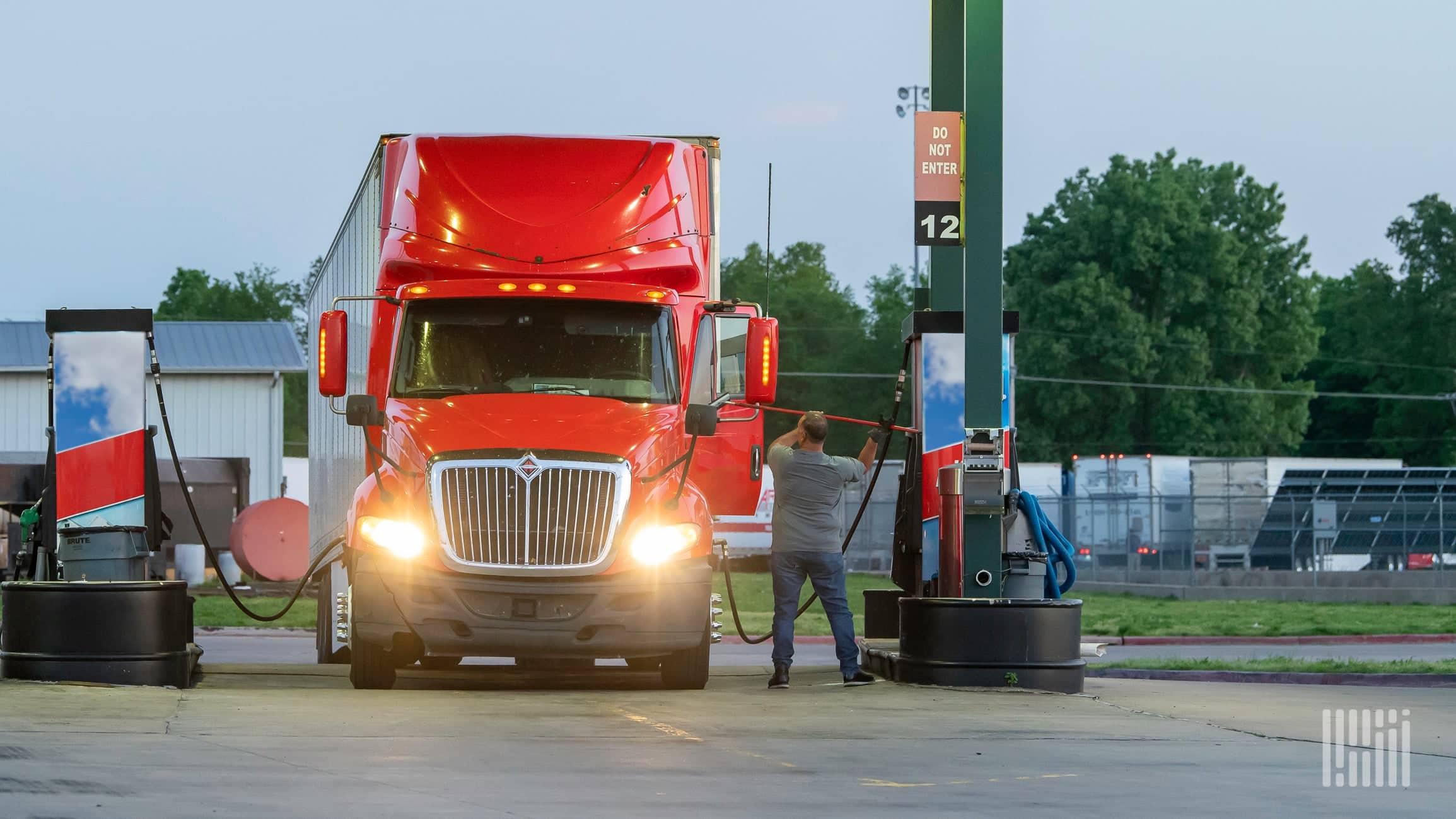
- The first payoff is operational efficiency. Empty miles, detours, idling, and harsh driving turn into extra fuel and a larger emissions footprint. When you lower the losses, the same lanes become predictable and easy to plan.
- The second payoff is meeting environmental and regulatory goals. Shippers and customers increasingly ask for emissions reporting, and programs like EPA SmartWay frame sustainability in a way that is tied to performance. Companies that wait until regulations force their hand will pay premium prices for last-minute conversions, while early adopters lock in competitive advantages and lower transition costs.
- The third payoff is long-term profitability. Companies with a clear carbon strategy can price more confidently, defend service during volatility, and win bids where sustainable transportation is part of the scorecard.
The best strategies usually include a combination of actions:
- tightening routing and appointment planning;
- running maintenance for efficiency;
- using fleet management and telematics technology to measure idling, speed patterns, and stop time, then correcting what repeats;
- setting a realistic path for lower-emission vehicles and alternative fuels where duty cycles support them.
When these steps are treated as operating standards, emissions reduction becomes a normal practice that protects service levels while you lower fuel use and build a more sustainable logistics network.

YOUR TRUSTED PARTNER
FOR COMPREHENSIVE FLEET
MANAGEMENT SOLUTIONS
Get started
7 Ways to Lower Carbon Emissions
The methods below are used because they fit real operations and can be measured, not because they sound green.
- Optimizing routes and reducing fuel consumption. The quickest path to lower emissions is to remove waste that the network already creates. Route optimization works best when it uses real operating friction, such as recurring dwell, failed handoffs, and lanes that repeatedly generate empty miles. It reduces miles driven by up to 20% and cuts fuel-wasting stop-and-start events caused by congestion. Dispatchers can use GPS-based telematics to guide drivers on efficient routes or assign the closest vehicle to upcoming loads.
- Switching to low-emission vehicles. They deliver the best results when the duty cycle is predictable. Regional delivery, return-to-base work, and repeatable corridors allow electrified trucks to operate with planned charging and fewer surprises. For example, Amazon deployed over 10,000 electric delivery vans from Rivian, while UPS and FedEx are electrifying last-mile fleets in cities where overnight charging is feasible.
- Using alternative, eco-friendly fuels. Alternative fuels can cut carbon and CO2 exposure without changing routes, but only when the supply is consistent. Renewable diesel deserves more attention than it typically receives. It is compatible with existing diesel engines and infrastructure and delivers up to 90% lower lifecycle CO2 emissions because it’s synthesized from waste fats, vegetable oils, and other biomass rather than drilled from the ground. However, renewable fuel’s availability remains limited in many regions, and prices run 10-30% higher than conventional diesel depending on location and feedstock costs.
- Reducing idling time. Long-duration idling is one of the cleanest control points because it is visible, measurable, and expensive. A single heavy-duty truck idling overnight burns approximately 0.8 gallons per hour. That’s $2.50–$3.50 wasted every hour at current diesel prices, adding up to $3,000–$4,000 annually per truck for fleets with poor idling habits. Telematics platforms track engine-on time versus movement time using GPS and engine sensors, generating reports that spotlight which drivers idle excessively during deliveries or in parking lots. Real-time alerts let fleet managers intervene immediately when a driver leaves the engine running for 15+ minutes without moving.
- Improving fleet maintenance. Maintenance affects emissions through small losses that become permanent with every mile. It directly influences real-world consumption. Just 10 PSI below specification increases rolling resistance enough to cut fuel economy by 2%. Skipping oil changes allows viscosity to degrade, forcing engines to work harder and burn more fuel. Dirty air filters restrict airflow into the combustion chamber, richening the fuel mixture and wasting another 3–4%. Progressive fleets establish predictive maintenance schedules using telematics to schedule service before components degrade enough to hurt efficiency.
- Implementing smart fleet management and telematics. Telematics matters when it changes behavior, not when it only produces reports. Instead of generic lectures, managers review actual data showing which drivers brake harshly, accelerate aggressively, or exceed speed limits. Telematics also monitors systemic inefficiencies: routes that consistently run over-miles, customers who cause excessive wait times, or vehicle assignments that send trucks farther than necessary.
- Collaborating with supply chain partners. Carriers can optimize only so much if appointment practices create detention and late departures that force idling and rework. Partner coordination on scheduling, drop-and-hook patterns, and exception handling reduces wasted fuel across the broader transportation chain. This is also one of the common recommendations in logistics-focused carbon reduction guides.
These strategies are not perfect on day one. They work because they can be applied consistently, measured, and improved over time.
Conclusion
Lowering carbon emissions in trucking and logistics rarely depends on a single breakthrough. Gains come from disciplined execution: route optimization, less idling, maintenance that protects efficiency, and eco-friendly technology that turns fleet data into repeatable corrections. Where should a carrier start? With the waste it can control now, then with cleaner fuels and vehicles on lanes that can support them without breaking service.