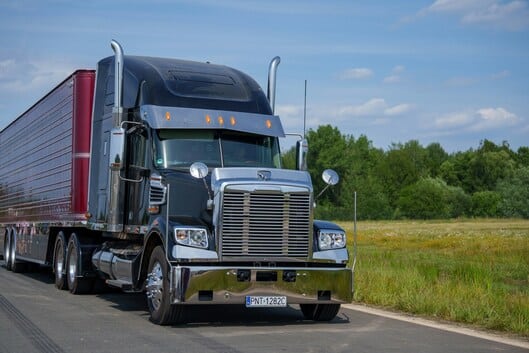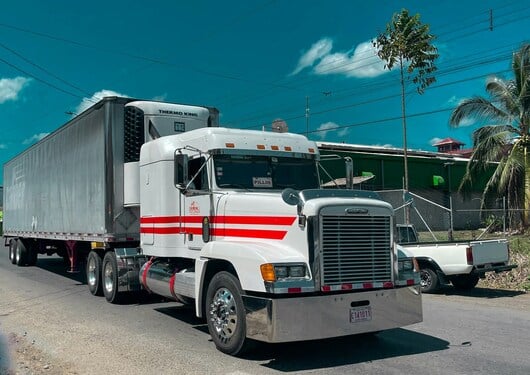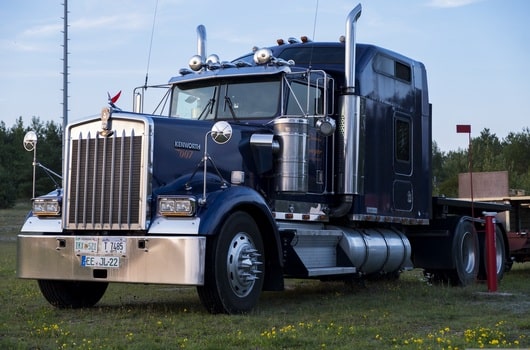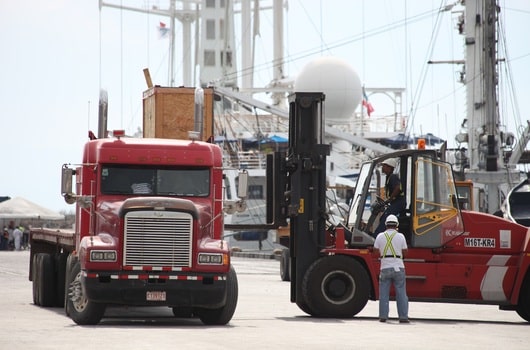



As good as the factoring truck loads concept is, with a lot of advantages, it still has its cons. Every business, regardless of its size or origin, needs to weigh the benefits and drawbacks of a product or service before utilizing it for their business operations. We’ve looked into and made a list of the pros and cons of using factoring companies.
Pros of owner operator factoring
- Swift disbursement of funds.
- Unlike banks, your credit score or history is not much of a factor.
- Avoiding debts.
- Financial flexibility.
- You don’t have to worry about payments from the customers.
- Free credit checks on potential customers.
- The value of your business isn’t lost or damaged.
- Steady cash flow
- It’s easy to get approved, and the process is quick.
Cons of owner operator factoring
- Bills must be paid in full by or before the due date on the invoice.
- To be approved, you must have good-paying customers.
- Rates can sometimes be too expensive and higher than the normal bank loan rate.
- Customers are notified when you change their payment address.
- You may be held accountable if your customer doesn’t pay.
- With so many disadvantages to freight factoring, its pros still outweigh its cons.
- Always double-check the form you are given to fill out before signing up for the services of a freight factoring company. Make sure to ask for clarification on any part of the agreement you do not understand, such as the factoring rates on a freight invoice.
How Fleet Care Helps With Freight Factoring
Our factoring team coordinates the process from your initial inquiry to the submission of documents and communication with the selected financing provider. We help carriers understand the available factoring options, collect the required information, clarify application requirements, and facilitate communication with the factoring company for trucking.
Once we find a suitable freight factoring company, their team reviews your application, double-checks the creditworthiness of brokers, and sets the advance rate, fees, and payment terms.
Documents Needed to Start
To apply for trucking factoring, you need to provide basic business information and documents that allow the factoring company for trucking to verify your operations and check potential customers.
The application for factoring services requires:
- your company’s legal business name;
- registered address and contact information;
- MC/DOT numbers;
- information about major brokers or shippers.
Freight factoring companies can also ask for additional financial documentation depending on their requirements.
For freight invoices, the standard supporting documents include the original invoice addressed to the broker or shipper, the signed Bill of Lading, the Proof of Delivery confirming that the load was delivered, and the rate confirmation.
The process of accepting your invoice typically follows several steps.
1. Complete a short application.
2. The freight factoring company reviews the application and, if necessary, requests additional information.
3. Next, they check the creditworthiness of the broker or shipper and verify whether the invoice meets their requirements.
4. After this review is complete, our team facilitates the transfer of documentation to a factoring partner. This is where we get final review, as the factoring provider lets us know about payment terms.
After these steps, the provider of factoring for trucking buys the invoice and sends the payment. The FleetCare team keeps you in the loop through every step and helps you gather required documentation.
Trucking Factoring Fees and Payment Terms
Some factoring companies for trucking use a flat percentage per invoice, while others apply tiered rates. This flexibility of options allows us to match you with the factoring provider that offers the best rates for your fleet. The factoring rate is never universal. It depends on many factors:
- the selected factoring provider;
- your fleet’s monthly invoice volume;
- the creditworthiness of your customers;
- the expected payment timelines;
- the terms of the factoring agreement (recourse or non-recourse).
A reserve is the portion of an invoice that the freight factoring company temporarily holds back. Once the broker or shipper pays the invoice, the factoring provider sends the reserve back to you.
There can be potential additional costs that play a big role when choosing providers of factoring for truckers. Depending on the provider and contract, these can be wire transfer or expedited funding fees, or account maintenance costs. Not every provider charges these fees, and we always prioritize your interests when choosing a factoring partner for your fleet.
Fleet Care helps you compare available factoring companies for trucking and understand the proposed payment structure before signing a contract. And if you need more help with understanding the terms and opportunities of factoring for truckers, our team is ready to provide you with a detailed consultation.