



April 28, 2026

483 Views

10 min read
April 28, 2026
3599 Views
9 min read
Share


To automate and optimize dispatching activities, digital platforms and software tools are used. They have become essential in U.S. logistics due to the large distances that trucks transport loads to, which requires reliable tracking and consistent remote coordination. Digital dispatch solutions matter for efficiency, visibility, and profitability, as they can process the associated data in no time to assign drivers, find the shortest and safest routes to destinations, keep everybody to whom it may concern informed, and reduce human error risk.
Traditional manual dispatching is based on paper logs, text messages, paper-based documents, and mostly human labor. Such coordination is hardly possible in real time. Modern digital systems use advanced AI options, enable real-time cargo management and automated compliance monitoring, and arrange reporting, invoicing, billing, and settlements with drivers. They can be integrated with other systems in the company, like the electronic logging device or accounting tools. In the article, we’ll explore such systems further and analyze their impact on dispatching.
Digital dispatching systems are software-based platforms that enable functionality required to dispatch loads. This tool automates most processes and tasks to manage cargo, trucks, and drivers remotely and in real time. Its options allow for data analytics, tracking, finding the best paths, considering travel time and fuel consumption, etc. Through such a system, it is easy to arrange immediate communication, connect all participants via mobile gadgets and computers, and increase operational efficiency.
Thus, the core purpose of the digital dispatching system that may include AI, software, and tracking options is intended to enhance coordination and reduce human error risks. A significant decrease in fault-prone procedures and speed-up in work due to automated routines are its key differences from manual dispatch workflows. The latter is provided by human labor that is not as fast, accurate, or scalable as digital systems, which are beneficial in particular for:
Replacement of manual dispatching by digital systems is essential for modern trucking. They accelerate and facilitate all the related processes by replacing messy and haphazard task execution by humans.

The operational activities related to load dispatching involve the performance of numerous daily tasks and address diverse unforeseen challenges. Whether it is about load booking, driver assigning, or documentation handling, it requires time and expertise. When digital dispatch platforms are used, they change the way all these tasks are performed.
The maximum workflow automation results in seamless logistics operations. It enhances load matching when a driver with proper experience and required specifications is selected. Also, it is much simpler to plan cargo transportation and adjust plans via digital dispatching systems. Thorough and efficient route planning is possible even with multiple stops. These systems enable early vehicle diagnostics to prevent continuous and unexpected downtime. They ensure consistency with the industry requirements.
Furthermore, such tools enable perfect visibility and real‑time tracking. The software contributes to the precise estimation of the delivery times. A dispatcher can track trucks and loads at any moment on a route and make corrective changes to it when it is needed to avoid breakdowns or delays. It is not only about being on schedule and end-to-end transparency for clients, but also about dramatically reduced theft and environmental risks. The systems accumulate data from several sources to ensure accurate alerts if there are reasons, which is vital for the transportation of sensitive, fragile, and perishable loads.
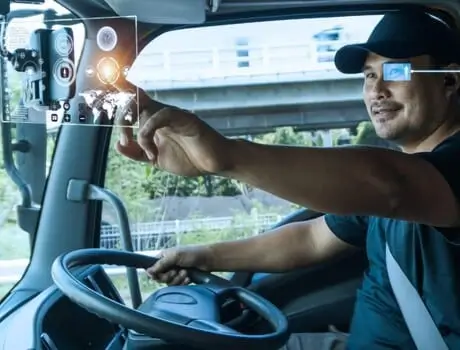
When scientific knowledge is applied for practical usage, a technology appears that involves physical tools, devices, and software applications to boost progress and trigger improvements in the industry, market sector, or business. For example, when using dispatching systems, there is no need to look through load boards and make calls. The system does it for a dispatcher who is expected to make a final decision only. The software assists with many tasks. As a result, the overall logistics procedures become much smoother. There is no denying that technologies lead to more flexible and responsive dispatching.
Recently, this strategic process that involves mainly planning, scheduling, and tracking has been significantly advanced with new technologies. There are three basic trends, which are worthy of discussion. They are as follows:
The above technologies contribute to the replacement of time-consuming and awkward manual operations with multifunctional digital dispatching systems. As a result, loads are delivered on schedule, costs are cut, deadhead miles are reduced, and turnaround on trips is fast.

Digital dispatch systems dramatically impact the transportation industry. They provide lots of operational benefits, like high visibility, increased productivity, lower expenses, fleet efficiency with reduced downtimes, enhanced communication, optimized delivery time, easy rescheduling, and more. To prove it, the issue is deeply analyzed. Investigations of individual dispatchers, truckers, and organizations have been conducted within their real-life context.
A case study shows faster dispatching and higher on‑time rates. A fleet modernization results in a 20% decrease in delivery times and a 30% increase in deliveries performed on schedule. Mostly, users explain the effect by the usage of real-time data about traffic and weather on the route and automated notifications of drivers. Another case can be considered. The carrier with over 30 years of experience (S&R Trucking) integrated a digital dispatch platform and confirmed that the time spent on dispatching was reduced by 75%. Most tasks being automated took about 2 hours instead of a working day.
Also, records show that handling tasks like managing documents and ensuring compliance and early maintenance allows dispatchers to shift attention and effort from repetitive administration activities to customer service and develop decision-making skills. Dispatch software is highly recommended for small fleets and independent dispatchers when it is time to scale operations. For professionals, it is not difficult to coordinate up to ten trucks manually, but it is almost impossible to operate in this format and avoid falling apart and failures when there are 30 trucks to dispatch. Only digitalizing enables high quality of dispatching, lower operational costs, and better service quality.
The best and most powerful dispatch platforms come with multiple functions, and this tendency will definitely continue. The systems will incorporate more surrounding workflows, including all kinds of digital documentation with invoicing, billing, and proof-of-delivery photos. Dispatchers already have little paperwork to do. This aspect will be even more improved in dispatcher’s dashboards, driver’s apps, and clients’ apps. No scanning will be needed.
Compliance management is also for future considerations. There will be advanced alerting features to inform a dispatcher about the risk of violating any regulations, like Hours-of-Service limits or maintenance deadlines, to avoid consequences, like fines or out-of-service orders.
Integration of systems into other operational and financial software will be polished. It enables the generation of accounting papers immediately upon load delivery. Also connection of the system with ELD devices and fuel cards will ensure that the data entered once will be available in every system where it is required.
In the USA, the freight tech market is rapidly developing, driven by AI. We should expect digital brokerage without human intervention and self-driving tractor-trailers with 24/7 operations based on the use of AI, GPS, cameras, high-performance computing, and sensors. Until driverless trucking is restricted, there will be trucks that drive autonomously but still require the driver’s presence. The focus on efficiency will cause the growth of digital dispatch. Also, sustainability goals will matter when systems select routes in accordance with less fuel needed to track carbon footprints.
To pick and adopt the right digital dispatch platform, a dispatcher or carrier should prioritize their needs and potential to scale up in the future. The key features to ensure in the software are automated load assignment, real-time tracking, advanced route optimization, and electronic paperwork and reporting. Easy integration with the systems used in the company is important. It is vital to think over the introduction of new software beforehand, as even if the software has an intuitive interface, training for dispatchers and drivers is needed to master integrated tools and replace old procedures with new ones.

Digital dispatch platforms facilitate and accelerate trucking operations dramatically. They ensure that loads are delivered on schedule, the operational efficiency is increased, and the possibility of human errors is reduced. The software optimizes and streamlines almost every task in dispatching. To stay competitive and succeed in this business, it is the only way to evolve. Every shipping party benefits from automation. Carriers reduce their costs and enhance efficiency. Dispatchers optimize their work hours and avoid errors. Customers get the load delivered on schedule and in the proper condition.
So, there is no time for hesitation! Taking into account the current state of things, to gain a competitive advantage over rivals in the US market, embrace modern digital dispatch systems at your earliest convenience.
April 28, 2026
483 Views
10 min read

April 28, 2026
465 Views
10 min read
Test