
How Does the Trucking Industry Benefit the Supply Chain?

January 26, 2026

8 Views

5 min read

How Does the Trucking Industry Benefit the Supply Chain?

Want to talk with us?

    A supply chain can have modern warehouses, strong forecasting, and fast production, yet still fail for a simple reason: products do not move on time. Reliability matters more than clear timing in the logistics environment. The trucking industry benefits from modern logistics in this case. Trucks connect manufacturers, ports, rail ramps, distribution centers, and retailers in commercial flows, forming a single working network that keeps the supply chainmoving even when plans change. 

    How Trucking Supports Supply Chain Processes

    Trucking keeps the supply chain connected because it is the only major freight mode that can reliably do true door-to-door delivery at scale. Rail, ocean, and air transportation modes typically start and end at terminals, whereas trucks actually ship and receive products between the nodes and the destinations. They handle a set of functions that show up in almost every modern logistics network:
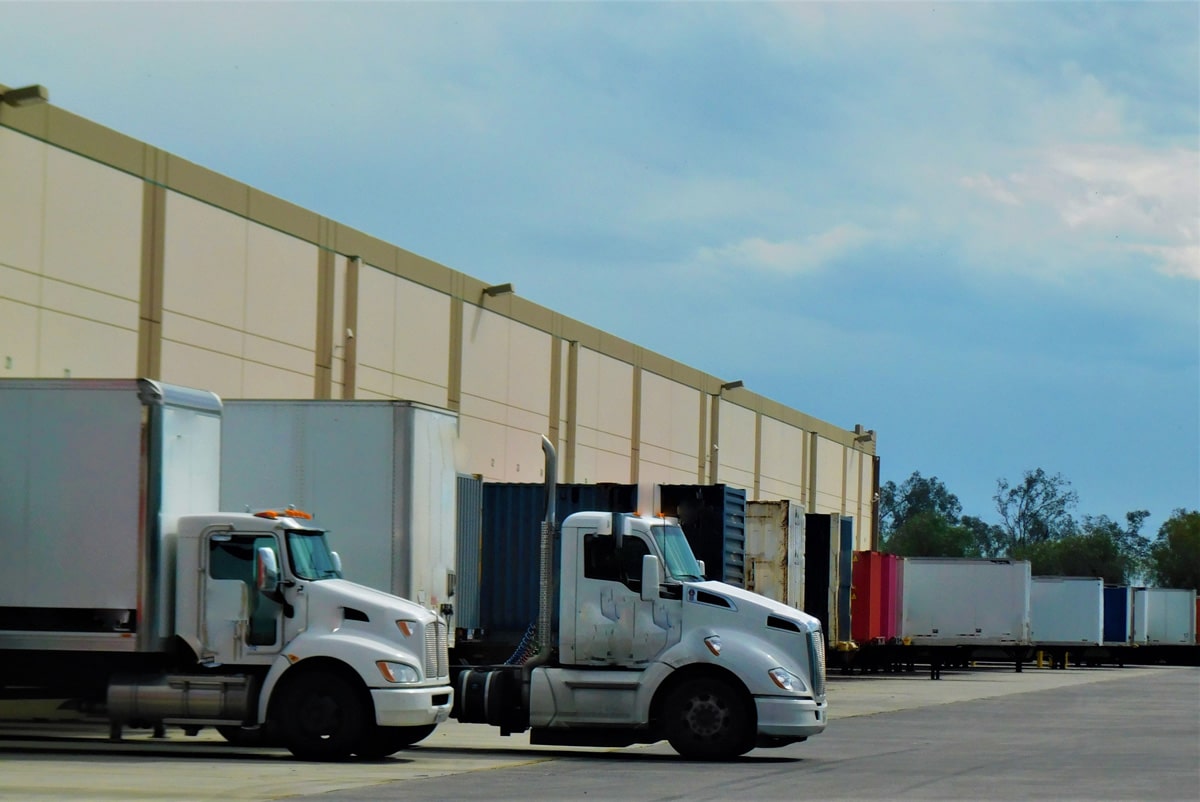
    • first-mile pickup from factories, farms, and suppliers, including time-definite appointments that protect production schedules;
    • linehaul moves between distribution centers;
    • last-mile and store delivery that keeps retail and e-commerce fulfillment from stalling at the warehouse door;
    • intermodal links (drayage), which is short-distance hauling between ports or rail yards and nearby warehouses or hubs, and it is often the first or last leg of a longer intermodal move;
    • reverse logistics, including returns, reusable packaging, and repositioning inventory when demand shifts.

    How Does the Trucking Industry Benefit the Supply Chain?

    These functions are why the truck driver, the dispatch team, and the fleet’s day-to-day coordination have such a direct effect on continuity and service.

    The difference between trucking and other freight modes is in control and reach. Rail moves massive volumes cheaply over long distances but requires fixed terminals, lengthy transit times, and additional trucking for the final stretch. Air freight delivers speed, but at costs three to five times higher than ground transport. But the trucking industry wins here: trucks offer door-to-door service without transfers, reach rural areas and urban centers equally well, and adjust routes dynamically when weather, traffic, or customer needs shift.

    Benefits of Trucking for Supply Chain Efficiency

    The benefits of the trucking industry become obvious when the supply chain has to keep moving under real conditions:

    • Faster delivery and flexible routing. A truck can be dispatched, re-routed or re-timed quickly when conditions change. Flexibility protects route optimization and delivery performance when traffic, weather, or facility delays disrupt the original plan, and it is hard to match with terminal-based modes. 
    • Cost-effective for short and mid-range freight, and essential for the last mile. Trucks work well for commercial regional distribution because freight moves directly between facilities and is not re-handled at terminals. They also cover last-mile drops, one of the most complex and costly parts of freight delivery.
    • Reliable links between manufacturers, warehouses, and retailers. Most freight movement depends on road access at both ends, even when rail or ocean handles part of the trip. The freight system moves massive daily volumes, and trucks carry a dominant share of domestic tonnage and value, which is why they act as the connective tissue of the transportation network. 

    When trucking runs with stable schedules, good coordination, and realistic planning, the whole chain gains resilience and keeps a distribution network reliable under normal demand and under disruption. 

    Shedule a call

      YOUR TRUSTED PARTNER FOR COMPREHENSIVE FLEET MANAGEMENT SOLUTIONS

      YOUR TRUSTED PARTNER
      FOR COMPREHENSIVE FLEET
      MANAGEMENT SOLUTIONS
      Get started

      Trucking Solutions That Strengthen the Supply Chain

      A dependable trucking setup usually relies on three solution groups:
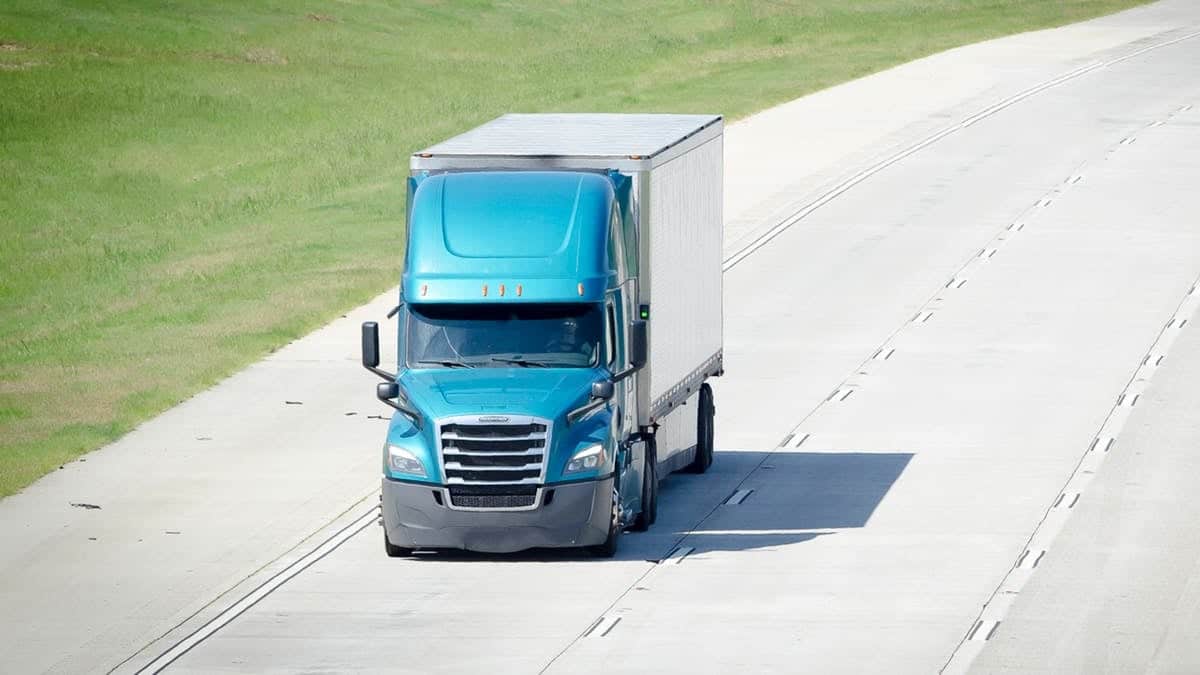
      • Real-time tracking for shipment visibility. GPS and telematics tracking, geofencing at customer sites, live status updates, and more accurate estimated time of arrival (ETA) keep visibility high for dispatch and receivers. When a delay occurs, supply chain management can reroute inventory, adjust production schedules, or notify customers before problems escalate. Visibility extends across the entire network. 
      • Technology that improves delivery accuracy and planning. ETA and schedule optimization, digital proof of delivery, exception alerts, and tighter appointment planning reduce surprise dwell and missed windows. When the data is shared across drivers, shippers, carriers, and warehouses, coordination improves, and downstream stages can plan labor and dock capacity with fewer buffers.
      • Fleet systems that reduce delays and disruptions. Preventive maintenance scheduling, tire and brake monitoring, and standardized workflows for roadside events reduce unplanned downtime. When a route slips or a facility delay repeats, the system should surface it to management as an operational issue that needs correction.

      How Does the Trucking Industry Benefit the Supply Chain?

      The common thread is control. These technologies do not remove every delay, but they reduce how far a disruption can spread through the supply chain, which is the difference between a late stop and a broken week of delivery performance.

      Conclusion

      A strong trucking network helps create a repeatable daily outcome because trucks keep continuity between facilities and modes, so production, warehousing, and retail do not depend on perfect conditions to stay on schedule. It is the reliability of that network that protects the plan when conditions change. Over the long term, the biggest payoffs are efficiency and resilience, without any operational surprises.

      Sign up for Exclusive Trucking Tips