



March 17, 2026

490 Views

5 min read
Share


Techniques for Effective Fleet Maintenance
Page Contents
Want to talk with us?
Fleet maintenance keeps trucking operations predictable: when trucks are serviced on time, you lose fewer days to breakdowns, dispatch stays calmer, and customers don’t face delays. When maintenance slips, the same small issues turn into missed loads and higher repair bills and show up directly in costs.
Key Fleet Maintenance Techniques
Most breakdowns start as small visible problems that nobody caught early enough. A good baseline is three steps.
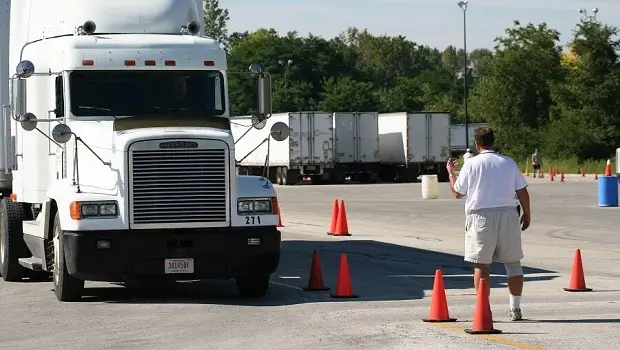
- Daily driver walk-around before the first move: tires, lights, brakes, leaks, and the connection between tractor and trailer. Federal rules already say a commercial vehicle shouldn’t be driven unless the driver is satisfied key parts are in good working order.
- Weekly shop check: oil and coolant levels, belts/hoses, air lines, and anything drivers wrote up.
- Planned service on a set interval: many fleets tie basic preventive service to the 5,000–10,000-mile range (and adjust based on duty cycle and the manufacturer’s guidance).
You can monitor fleet performance and efficiency with simple monitoring tools. Start with a dashboard that shows a few signals you can act on: fuel use, idle time, and engine warning codes.
Tire pressure is a good example. NACFE notes that running tires about 10 psi low increases fuel consumption by 0.5%-1%, so a simple low-pressure alert will pay for itself quickly.

For engine issues, Geotab and similar platforms pull engine fault codes and spot vehicles that need attention before they strand a load.
However, remember that maintenance works best when everyone plays a small part:
- drivers learn what normal looks and feels like and write up problems clearly;
- mechanics follow consistent procedures, like tightening wheel nuts to the correct setting (torque) and using the same inspection checklist each time;
- dispatchers know better when it is necessary to change the operational route.
A short annual refresher and coaching for new hires is enough to keep the habits alive, improve performance, and solve small issues.
Fleet Optimization and Efficiency
Three efficient fleet optimization strategies bring the biggest payoff.
Build a basic fleet program that removes shop friction. For this, use digital work orders and a simple parts list. Digital work-order systems cut unplanned downtime by keeping repairs, notes, and approvals in one place. But if you’re also tracking parts availability, some fleets report meaningful reductions in downtime for routine repairs.
Track a few uptime numbers and act on them, like empty miles, fuel economy, and idle time. ATRI has reported deadhead (empty) miles around the mid-teens for many operations, so even small improvements matter at scale. Route and load planning and monitoring tools will reduce empty miles; for fuel, look for obvious gaps (for example, one driver running 7 MPG while the fleet averages 9 MPG), then coach on smooth driving. U.S. DOT research on telematics with feedback/coaching found fuel economy improvements in the 5%-9% range.
Manage downtime with preventive maintenance. Use engine fault alerts to schedule service; connected maintenance tools are built for the “fix it earlier” workflow. Add oil sampling to your routine. Many fleets treat about 25,000 miles as a common oil interval (then adjust based on results), and oil analysis is widely used to spot wear and contamination early. It matters because major engine work is expensive: the $20,000–$40,000 range for heavy-duty overhauls.
Fleet Management Strategies
Fleet management strategies depend on size. A small fleet (under 20 trucks) runs cleanly with a shared spreadsheet for service dates and repairs, plus basic GPS. The moment you start missing services, it is time to move to a simple maintenance system that creates work orders and reminders.
Shedule a call

YOUR TRUSTED PARTNER
FOR COMPREHENSIVE FLEET
MANAGEMENT SOLUTIONS
FOR COMPREHENSIVE FLEET
MANAGEMENT SOLUTIONS
Get started
Large fleets need a full transportation management system (software used to plan and track freight moves) so dispatch, maintenance, and equipment status stay in one place.
Build service maintenance into the week:
- schedule routine service during slower hours or planned terminal time;
- group service by region;
- align repeat jobs (like tire work and inspections) with the same visit.
You can also use leverage tracking technology with real-time alerts: telematics ping managers when brake wear hits 70%, dashcams capture improper hitching, and AI technology predicts failures from vibration data 48 hours early. Cloud dashboards let remote teams approve parts orders instantly, keeping fleets rolling profitably.
Challenges and Solutions
Common obstacles plague proactive fleet maintenance and optimization:
- unpredictable breakdowns from neglected brakes or transmissions halt deliveries mid-route;
- skilled mechanic shortages delay repairs by weeks;
- parts backorders strand trucks during peak freight seasons.
What improves practice efficiency:
- Prioritize safety-first fixes. If there is a choice between a comfort item and a brake or tire issue, the safety item wins.
- Manage early-warning checks. Regular oil sampling is a low-effort way to catch wear and contamination before it becomes a breakdown.
- Plan maintenance around operations. Put routine service into night or off-peak slots when possible, swap drivers or tractors on shop days, and keep a short list of must-stock parts.
Such an efficient approach will cut the number of load-killing failures and keep more vehicles available when freight is hot.

Conclusion
Proactive fleet maintenance works when it’s treated like a usual program. Stable fleets catch small problems early, service trucks on a clear schedule, and fix the same repeat uptime issues. If you want one practical takeaway, it’s this: make maintenance part of the weekly plan the same way you plan loads. You get less stress for drivers and dispatch from missed deliveries, high repair costs, and roadside failures when inspections, parts, and shop time are planned better.
Sign up for Exclusive Trucking Tips
Related Article


Test