



January 26, 2026

161 Views

5 min read
Share


The Role of AI in Fleet Management: Enhancing Safety and Efficiency
Page Contents
Want to talk with us?
The problems that cost fleets real money start as weak signals: harsher braking that becomes normal, or a route that slips by ten minutes until it breaks the schedule. Artificial intelligence is being adopted because it can spot these patterns early, before they blow up into expensive failures or lost accounts.
How AI Is Transforming Fleet Operations
AI changes the work from “What happened?” to “What is likely to happen next?”, and it matters because fleets already collect millions of data points from GPS, sensors, cameras, and fuel cards. The bottleneck is turning that data into decisions fast enough to protect safety, fuel efficiency, and uptime.
Current AI fleet systems use machine learning and computer vision to monitor driver behavior and support proactive safety and compliance workflows. Telematics and ELD systems can capture time, location, engine hours, and vehicle miles, which provide the raw material for analytics, automation, and improvement. A third layer is decision support, where optimization algorithms and anomaly detection turn patterns into recommended actions.
The difference between AI-driven and traditional trucking processes is in timing. Traditional management often relies on periodic reviews, manual exception lists, and driver coaching after the fact. It reacts to problems after they happen: a truck breaks down, a dispatcher scrambles to reroute, and the repair bill arrives days later. AI-driven processes push earlier signals to the front:
- instead of waiting for a monthly report, you get near real-time risk flags and route exceptions;
- instead of reactive repairs, predictive models point to likely failures based on patterns in telematics and diagnostics data;
- instead of static routing rules, optimization adapts to traffic and dwell patterns and suggests better logistics choices.
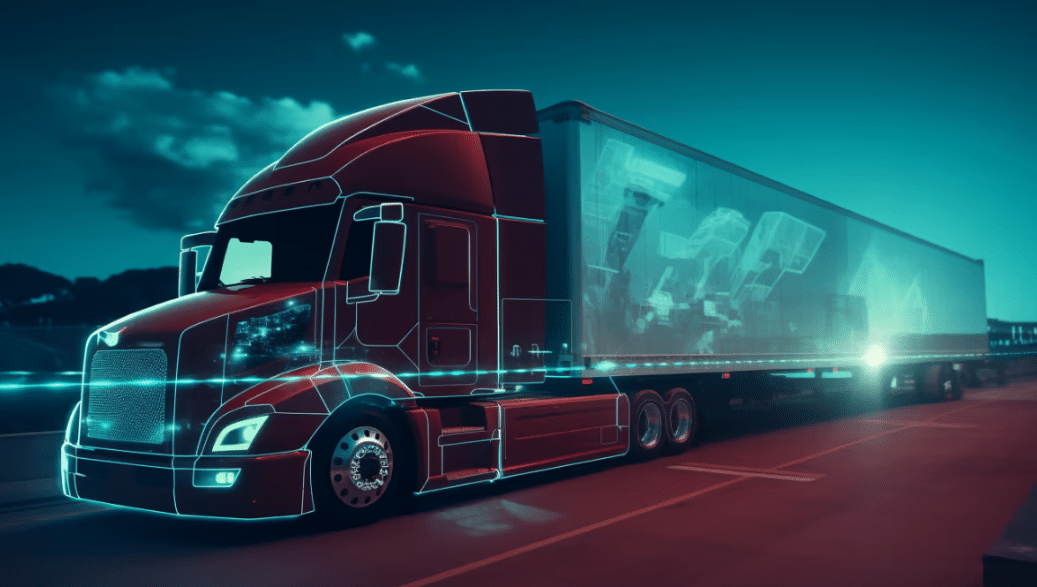
Where manual processes rely on gut feel and spreadsheets, AI systems learn from every trip, refining predictions and recommendations.
Safety workflows shift the same way. Driver-assistance services like autonomous emergency braking are built to intervene when a forward collision is imminent, which changes incident prevention from pure coaching to system support.
The best results come when AI innovations are treated as a decision tool. They speed up triage, help prioritize attention, and make trucking operations more consistent in the future.
Benefits of AI for Fleet Safety and Efficiency
AI automated solutions pay off when they reduce uncertainty in the three areas that decide fleet outcomes:
- Lower accident rates through predictive safety tools. Video and telematics patterns reveal risks such as repeated harsh braking, tailgating, distraction, or fatigue-like behavior before they become claims. Some fleets use autonomous emergency braking, a technology that automatically applies the brakes to avoid or reduce a forward crash, which supports safety even when reaction time is not enough.
- Fuel use and route efficiency improvement using intelligent analytics. Fuel efficiency is often lost in small behavior and routing choices like speeding, aggressive acceleration, idling, and avoidable stop-and-go. AI-based smart analytics turns them into targeted coaching and routing changes instead of broad reminders that do not stick.
- Enhanced maintenance planning through predictive diagnostics. Predictive maintenance uses vehicle data to identify abnormal patterns and schedule service before a breakdown. AI examines sensor data, engine codes, and usage patterns to predict exactly when a component will fail. Fleets, in turn, can order parts in advance, schedule repairs during downtime, and avoid emergency roadside service.
When artificial intelligence cuts crashes and prevents breakdowns all at once, it pays for itself in months, then keeps delivering gains as algorithms learn from every mile driven and every repair avoided.
Shedule a call

YOUR TRUSTED PARTNER
FOR COMPREHENSIVE FLEET
MANAGEMENT SOLUTIONS
FOR COMPREHENSIVE FLEET
MANAGEMENT SOLUTIONS
Get started
AI Solutions for Smarter Fleet Management
Most fleets already have data. The difference is whether anyone can act on it fast enough. The strongest AI setups reduce the gap between a weak signal (risk, delay, fault) and a practical decision:
- Real-time telematics powered by machine learning. Intelligent telematics gives insights like location and vehicle signals. Machine learning adds pattern detection: it watches the stream and flags what looks abnormal for that vehicle, route, or driver, instead of relying only on fixed thresholds. The practical test is simple: do alerts lead to reduced roadside events, or do they just create noise?
- AI-based driver monitoring and behavior analysis. Video-based systems use computer vision to spot behaviors that tend to precede incidents (braking, speeding, tailgating, distraction, drowsiness), then trigger coaching or in-cab alerts. If you deploy this category, two things decide whether drivers accept it: clear privacy rules and coaching that focuses on patterns over punishment.
- Automated dispatching and load assignment systems. In dispatching, the wrong assignment creates missed windows, extra empty miles, and wasted driver hours. AI-driven dispatch engines match loads to trucks using factors such as current location, hours-of-service limits, vehicle capacity, historical performance, and traffic conditions to improve route planning and assignment decisions. The best systems do not replace dispatch; they propose options with reasons (time, hours-of-service, traffic, service history), so a dispatcher can choose quickly and document why.
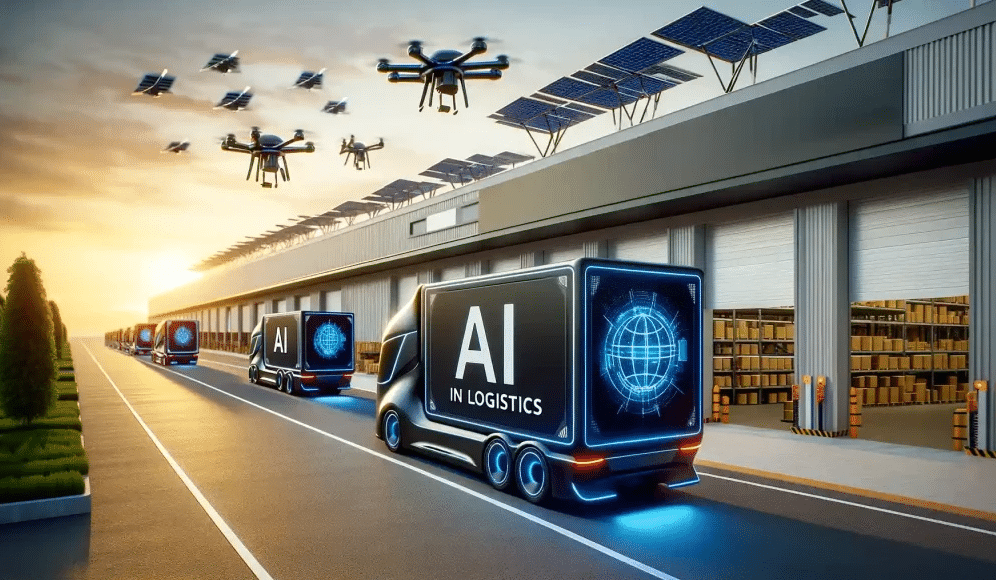
All these tools make the future fleet work less reactively. They help logistics management see issues earlier, prioritize the right actions, and keep safety and efficiency gains from fading after the first rollout.
Conclusion
AI solutions in fleet management work when it makes everyday decisions more consistent. Used well, it turns intelligent telematics, driver monitoring, and predictive maintenance into earlier warnings, supporting safety and protecting performance. Use this technology to measure outcomes, adjust workflows, and keep improving, because steady innovation is what keeps efficiency gains from fading.
Sign up for Exclusive Trucking Tips
Related Article


Test