


January 27, 2026

3658 Views

6 min read
Share


Top Logistics Technology Trends Reshaping The Industry In 2026
Page Contents
Want to talk with us?
The logistics industry looks smooth from the outside, but it runs on thousands of small decisions: when to release an order, which carrier to use, how to route a load, what to do when a trailer is late, and how to keep inventory from drifting out of position. When such decisions are made with partial information, the supply chain pays for it in missed delivery windows and higher transportation costs.
Technology innovation in 2026 is central to logistics and especially to fleet management, and the latest tools are aimed at one thing: earlier visibility and faster correction when plans slip. It helps see problems earlier and correct them before they spread across the network. The most useful trends are the ones that improve visibility, planning, and optimization in daily operations and support sustainable chain execution.
How Technology is Transforming the Logistics Sector
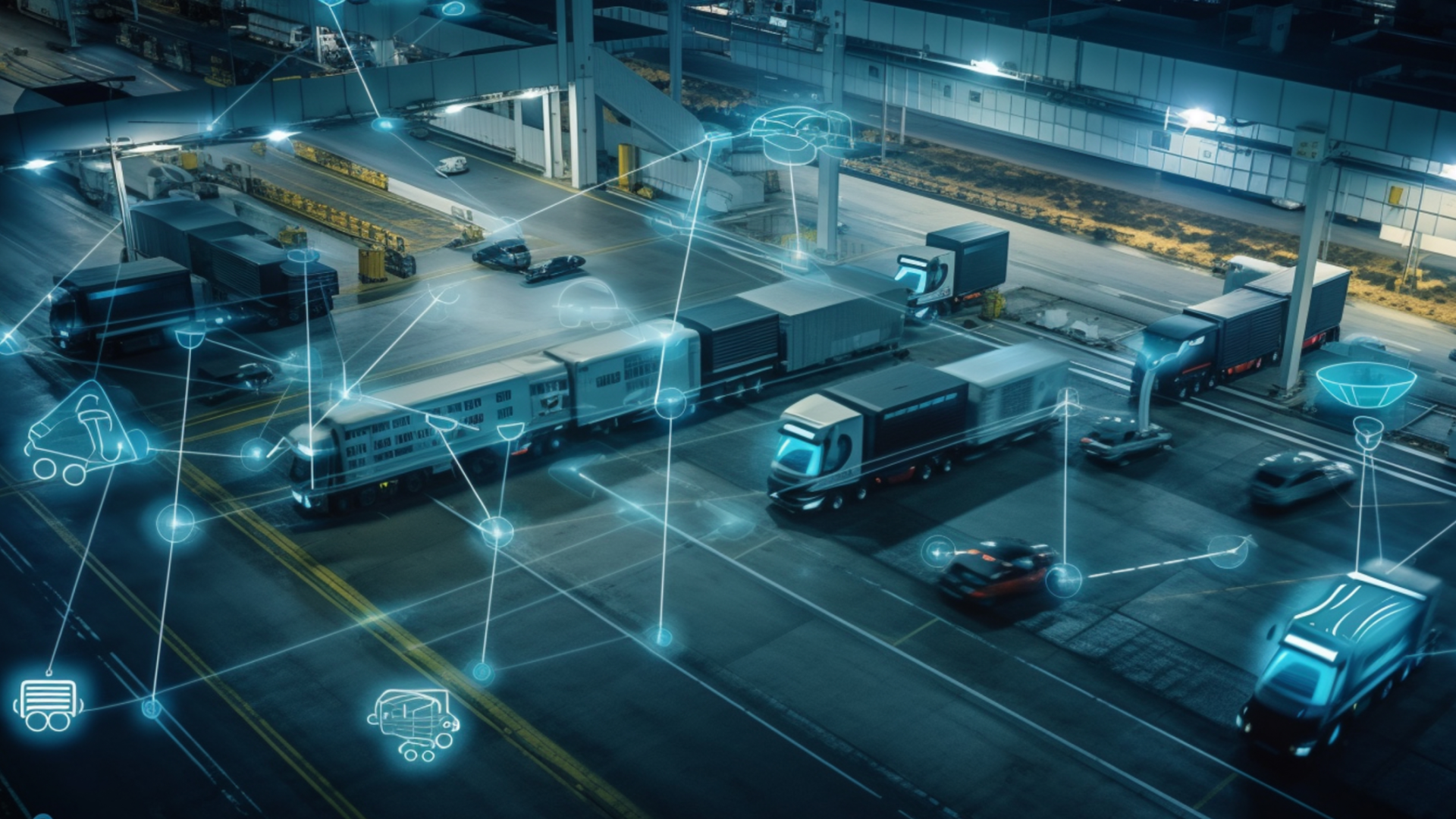
The logistics industry is becoming dependent on shared time-stamped data. The latest shift is that this data is visible in near real time across partners. When shipment status, inventory position, and facility constraints are visible in near real time, this transformation lets the supply chain adjust before a delay becomes a missed delivery window. Several technologies are driving this trend.
- Real-time tracking and sensing. It updates plans early enough to avoid missed appointments, detention, or failed handoffs.
- Warehouse automation and robotics. Scanning, sorting, pick support, and appointment flow improve when repetitive steps are standardized and measured. It reduces error rates and makes throughput less dependent on peak staffing.
- Digital twins for network and facility optimization. Better forecasting and routing can be improved consistently by learning from real outcomes, such as dwell time, lane reliability, and recurring bottlenecks.
- Digital process standardization across partners. Proof of delivery, claims, temperature events, and accessorials move faster when they are captured once and shared across partners without manual re-entry.
Companies that treat these tools as operating infrastructure, not side projects, see the biggest gains, like less buffer or surprise delays, and more stable transportation planning because the value comes from consistency across daily decisions made with these tools.
AI and Machine Learning in Logistics
Most teams already have AI-gathered data from orders, telematics, warehouse scans, and inventory systems, but the weak point is turning this data into decisions early enough to matter.
- Route planning and execution. Current AI models combine traffic patterns, dwell history, service-time variability, and real delivery outcomes to improve route selection and ETA quality. The point is fewer late arrivals and avoidable stops. When it works, dispatch uses fewer buffers because planning becomes more consistent across similar lanes.
- Inventory management. Machine learning helps when demand is uneven and lead times fluctuate. It detects seasonality, promotion effects, and slow-moving items that traditional rules miss, supporting better reorder timing and reducing the common tradeoff between stockouts and overstock.
- Predictive analytics and forecasting. Forecasting is where machine learning is often strongest, because it learns from many small variables at once: customer order patterns, supplier reliability, weather seasonality, and facility throughput. The output should be actionable. A useful forecast not only predicts volume, but it also explains where the pressure will land: a specific dock, lane, or SKU group.
The best AI innovation deployments do not decide for the operator, but rank priorities and explain why. Which shipments are most likely to miss their window? Which locations are trending toward detention? Which inventory positions are drifting toward shortage? When AI answers these questions clearly, it shows how decisions play out and improves their speed.
Shedule a call

YOUR TRUSTED PARTNER
FOR COMPREHENSIVE FLEET
MANAGEMENT SOLUTIONS
FOR COMPREHENSIVE FLEET
MANAGEMENT SOLUTIONS
Get started
Electric and Autonomous Vehicles in Logistics
Electric and autonomous vehicles are the most visible 2026 trend in logistics for the same reason most technology gets adopted: they lower risk or cost in specific operating conditions. The mistake is to treat them as one trend. Electrification is mainly an energy and infrastructure problem. Autonomy is mainly a safety, reliability, and regulatory problem. Both are expanding, but not evenly across the network.
- Electric trucks. Electric trucks fit where the duty cycle is predictable: regional routes, return-to-base distribution, and urban delivery. Charging here can be planned and controlled. The upside is lower tailpipe emissions, a more sustainable profile in city operations, and the potential for lower operating costs when electricity pricing and charging downtime are managed well. The constraint is just as straightforward: charging infrastructure, grid capacity, charger uptime, and route energy variability from payload, speed, and weather. If a site cannot charge reliably, the fleet cannot plan reliably, and the economics collapse fast. That is why the charging strategy has become part of fleet management, not a separate infrastructure project.
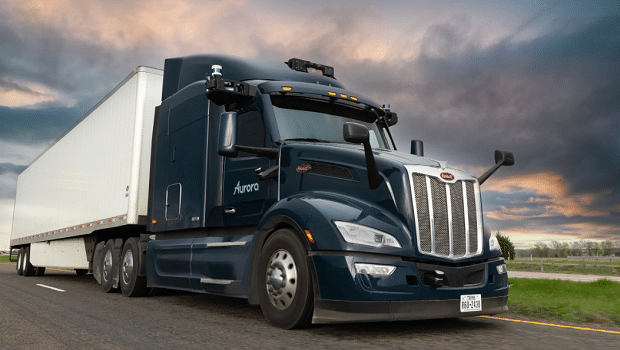
- Autonomous vehicles. Autonomous vehicles scale lane by lane because real-world reliability is proven in narrow operating domains first. Highway miles between two fixed terminals are the simplest place for autonomy to prove itself. The road is more predictable, and the job repeats. City streets, tight docks, and work zones are different. A delivery site can change week to week, a lane can disappear under construction, and a backing maneuver may depend on eye contact and hand signals. Autonomy should run the same corridor reliably and keep the operation steady. The current hard questions are not only technical. They are procedural and legal. If the truck is stopped on a shoulder, who deals with the inspection or the warning triangles? If there is a crash or a close call, who carries responsibility: the carrier, the vehicle maker, the software provider, or a remote operator? Fleets also have to treat connected vehicles as part of their security surface, because a system that depends on software updates and network links brings cybersecurity and reliability into everyday operations.
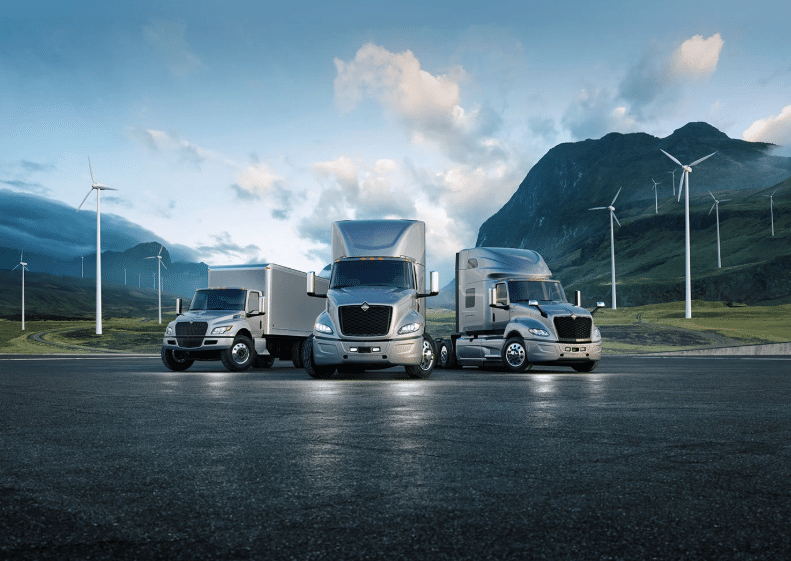
The upside is easy to describe. In the targeted corridors, fleets can cut local emissions, keep driving behavior more consistent, and use equipment more productively. The hard part is making it work daily. Charging has to be reliable, uptime has to be predictable, and cybersecurity and system reliability become daily concerns. New vehicles also have to fit into dispatch, maintenance, and yard routines without damaging service levels.
So, adoption in 2026 will not be uniform. Progress will concentrate where routes repeat, facilities can support the hardware, and performance can be measured week after week without rewriting the operating plan every time something changes.
Conclusion
In 2026, new technology trends that matter most in logistics are the ones you can feel in daily execution. If real-time tracking, better analytics, and automation do not change how fast a team reacts to delays, inventory drift, and dock congestion, they are not reshaping anything.
AI and machine learning earn their keep when they narrow the decision to a clear set of priorities, while humans still own the call. Electric trucks and autonomous vehicles will keep growing where routes are repeatable and infrastructure, safety, and compliance are already workable, not everywhere at once. Companies that stay competitive treat this transformation as an operating discipline, not a one-time rollout.
Sign up for Exclusive Trucking Tips
Related Article
January 26, 2026
110 Views
6 min read
January 26, 2026
668 Views
6 min read
Test