


July 3, 2026

299 Views

4 min read
Share


How Dangerous is Ice Road Trucking?
Page Contents
Want to talk with us?
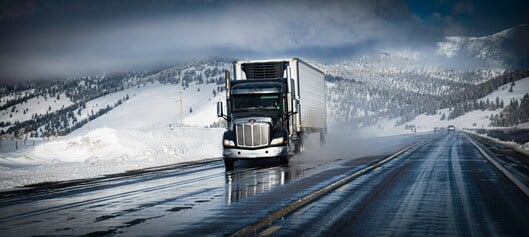
Ice road trucking is dangerous because the road is frozen water, snow, wind, and remote terrain, often far from repair shops or emergency help. These obstacles turn a normal haul into a serious risk within minutes.
Common Hazards Faced by Ice Road Truckers
Ice road trucking dangers build from small changes:
- thin ice near shorelines, pressure ridges, and moving water;
- unstable surfaces hidden under snow or packed slush;
- whiteouts, blowing snow, and sudden drops in visibility;
- extreme cold that weakens batteries, air lines, fuel systems, and tires;
- long distances from repair help, fuel stops, and emergency crews;
- load weight, speed, and spacing mistakes that put extra stress on the ice.
They make ice road trucking risks difficult to judge from the outside, and road truckers cannot drive by habit alone. Their trips depend on preparation, route updates, and the discipline to slow down or stop when conditions change.
Thin Ice and Unstable Surfaces
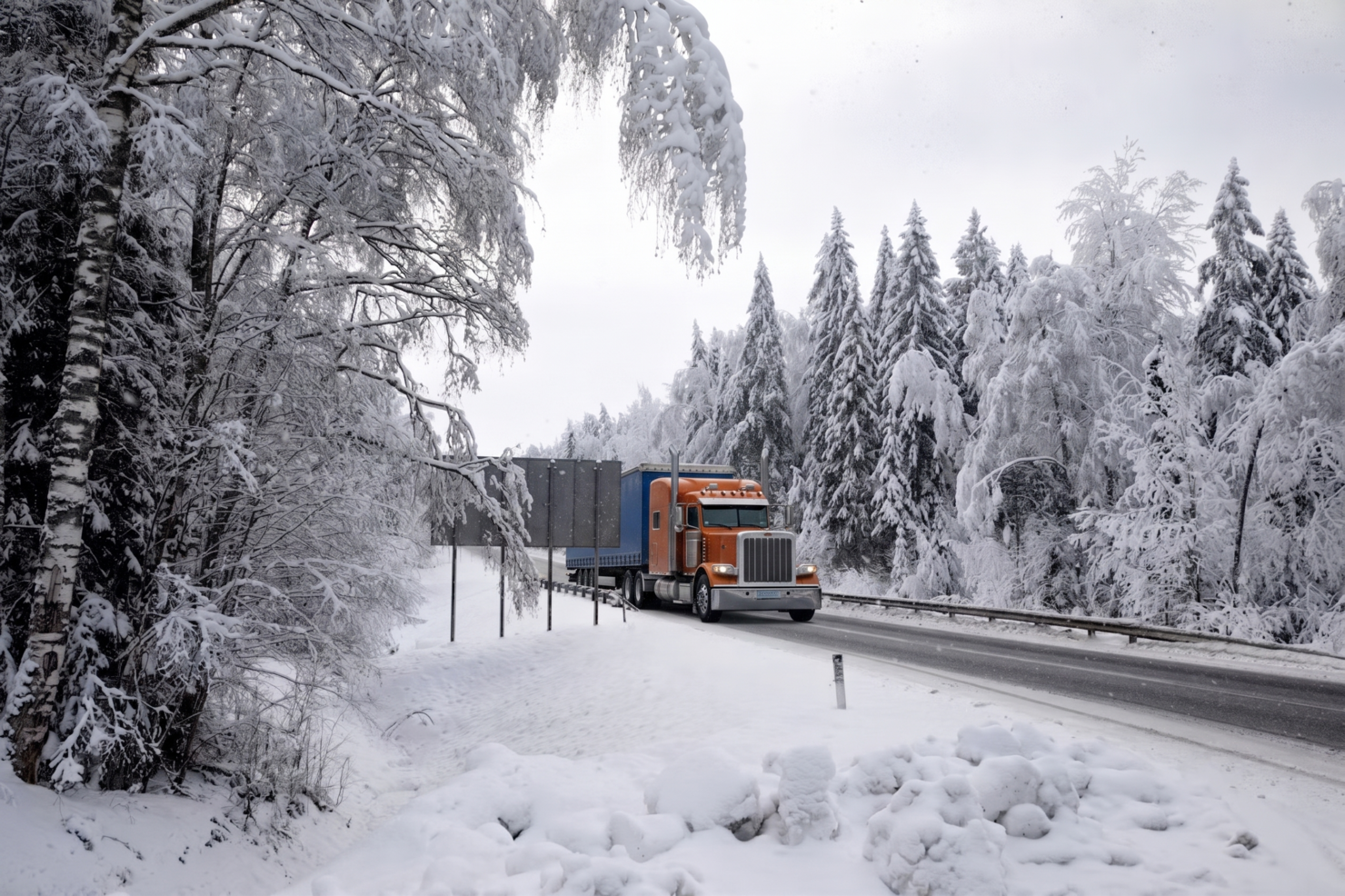
Thin ice is not always easy to spot from the cab. The weak areas are often near shorelines, pressure ridges, river mouths, and sections where moving water doesn’t let the ice form properly. Snow hides cracks, slush, and rough patches that would be obvious on a clear surface.
Unstable surfaces with packed snow, ruts, and broken ice are just as dangerous hazards. A heavy truck creates movement under the ice, so speed matters in this case, and ice roads are usually managed with strict load rules, spacing, and speed limits.
Extreme Weather Conditions
Drivers can prepare for low temperatures on the road, but a clear route can disappear in a whiteout. Road markers become harder to read, distance is difficult to judge, and a driver may lose the edge of the packed surface. Extreme cold also makes small risks worse because air lines freeze, batteries lose power, diesel gel, and tires stiffen.
Bad weather slows everything down at once, so ice road truckers watch forecasts closely and immediately stop if the weather changes suddenly.
Mechanical Failures in Harsh Environments
Small mechanical issues on an ice road quickly become serious ice road truckers hazards because there is no nearby shop and often no quick way to get help. These issues involve parts that are already under pressure from cold, weight, and vibration:
- frozen air lines or moisture in the brake system;
- weak batteries that lose cranking power in extreme temperatures;
- fuel-flow problems when diesel is not treated properly;
- damaged tires, low pressure, or stiff rubber in severe cold;
- cracked hoses, worn belts, or leaking seals;
- slow-moving fluids that make the engine, transmission, and axles work harder at startup.
Drivers and carriers carefully check the mechanical basics before the truck reaches the ice because prevention is the most important condition of their safety on the road.
Shedule a call

YOUR TRUSTED PARTNER
FOR COMPREHENSIVE FLEET
MANAGEMENT SOLUTIONS
FOR COMPREHENSIVE FLEET
MANAGEMENT SOLUTIONS
Get started
Safety Measures and Best Practices
Ice road truckers’ safety measures include a few basic rules and start long before the driver reaches the frozen route:
- respect posted speed, spacing, and load limits;
- check weather updates before departure and during the route;
- inspect tires, lights, brakes, batteries, air systems, fuel treatment, and emergency gear;
- avoid sudden braking, hard steering, and quick acceleration;
- keep communication equipment ready and report changing conditions;
- stop when visibility, ice conditions, or mechanical issues make the route unsafe.
Good ice road driving is slow, patient, and controlled, and you shouldn’t think just about how to finish the route as fast as possible, even when conditions are harsh.
Conclusion: Assessing the Risks and Rewards
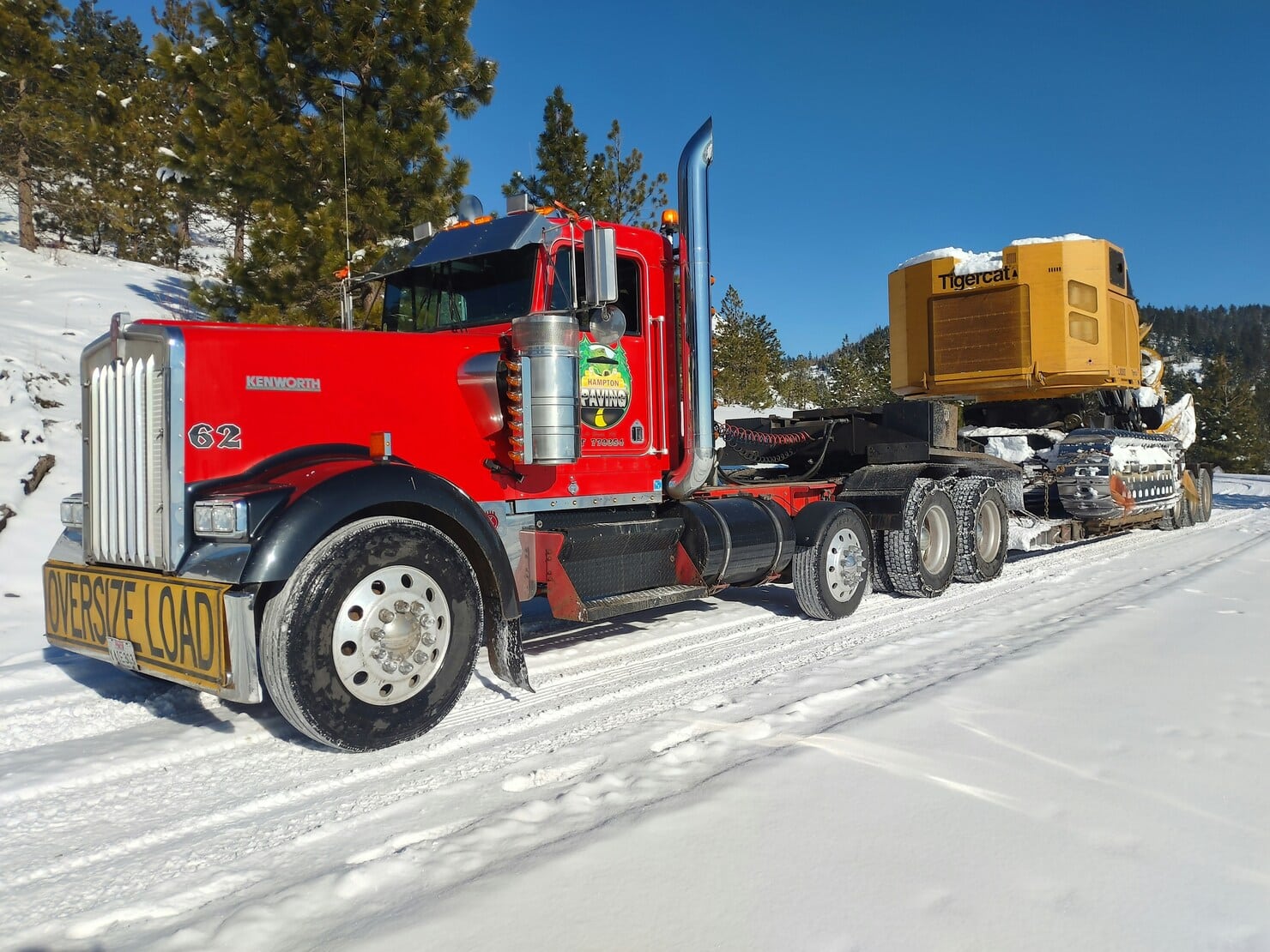
How dangerous is ice road trucking? Dangerous enough to demand discipline every mile, but not reckless when the route is managed properly, and the driver understands the conditions.
FAQ
What qualifications are required to become an ice road trucker?
Carriers look for qualifications such as winter driving skills, air-brake knowledge, load securement training, and the ability to work safely on remote routes with limited support. You also have to present a commercial driver’s license (CDL), a clean safety record, and several years of heavy-truck experience.
How do ice road truckers prepare for extreme weather conditions?
Drivers check forecasts, route updates, fuel treatment, batteries, brakes, air lines, lights, tires, fluids, and emergency gear. They also plan for delays because extreme weather can close a route with little warning.
What are the most common mechanical issues faced on ice roads?
Common issues and failures include frozen air lines, weak batteries, thickened diesel fuel, low tire pressure, stiff hoses, slow-moving fluids, and brake problems caused by moisture in the air system.
Sign up for Exclusive Trucking Tips
Related Article
March 15, 2026
400 Views
6 min read
Test