



January 26, 2026

668 Views

6 min read
Share


How to Improve Fleet Fuel Economy: 5 Cost-Saving Strategies
Page Contents
Want to talk with us?
Fuel is the line item that decides whether a fleet run was profitable or just busy. The costs eat up 30 to 40 percent of every dollar a fleet spends, and it looks harmless on paper, but on a tractor that runs 120,000 miles a year, even half a mile per gallon means well over a thousand gallons of diesel kept in your pocket instead of burned on the highway. And this is why fuel efficiency matters.
How Fuel Efficiency Impacts Fleet Performance
Fuel efficiency changes what dispatch can promise, how often equipment breaks, and how much slack you need in the schedule to stay on time. When fuel use swings day to day, it signals that something in operations needs optimization, and it’s rarely one issue, but a stack of small behaviors and conditions that repeat every week.
- Driver behavior sits at the top of the list: aggressive acceleration, hard braking, excessive idling, and speeding can each waste 10 to 30 percent more fuel than steady driving.
- Idling: the truck goes nowhere, but the meter keeps running. Trucks can burn about one gallon of diesel per hour at idle and can reach up to about 2,000 gallons per truck per year from idling in some cases.
- Route reality: stop-and-go traffic, extra left turns, and time spent in congestion change fuel use more than most spreadsheets expect.
- Vehicle physics: weight, aerodynamic drag, and rolling resistance. Underinflated tires, dirty air filters, misaligned wheels, and engine problems drag down mileage by making the powertrain work harder than it should.
- Tires and aero choices: low rolling resistance tires, aerodynamic devices, and idle reduction equipment minimize fuel use and emissions.
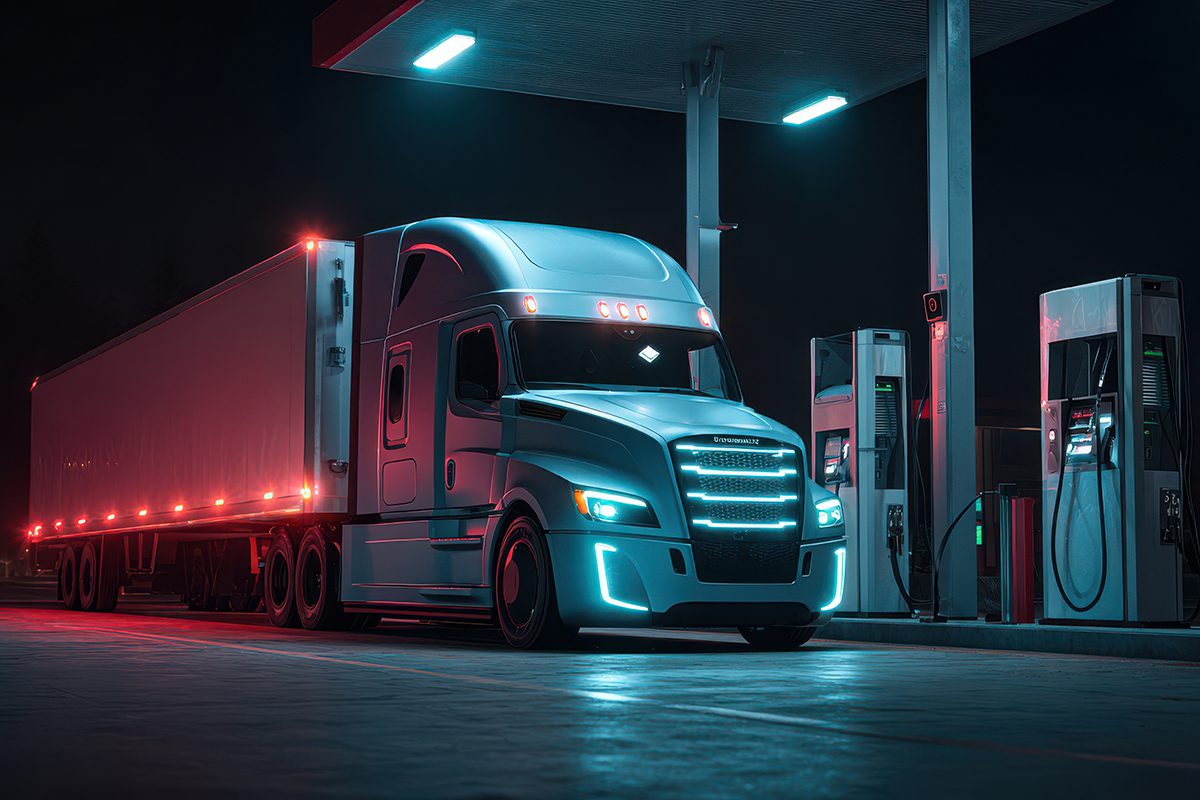
These factors show up as real performance outcomes: higher cost per mile, more driver time lost to unplanned stops, and more wear from unnecessary braking and acceleration.
Transportation efficiency also differs sharply by vehicle type and trucking route:
- long-haul tractor-trailers spend more time at steady highway speeds, so aerodynamics and tires often matter more, and small improvements compound over high annual mileage;
- regional delivery and urban routes face more starts, stops, and congestion, so routing, idling control, and driver behavior dominate the fuel picture;
- vocational trucks (construction, service, mixed-duty) have highly variable cycles, so weight, rolling resistance, and duty-cycle planning become the main levers.
Better fuel economy is often the earliest sign of a healthy trucking operation. When you boost it, you usually maximize schedule reliability, maintenance stability, and total cost control at the same time.
Shedule a call

YOUR TRUSTED PARTNER
FOR COMPREHENSIVE FLEET
MANAGEMENT SOLUTIONS
FOR COMPREHENSIVE FLEET
MANAGEMENT SOLUTIONS
Get started
Benefits of Improving Fleet Fuel Economy
Improved fleet fuel economy changes how the logistics operation behaves day to day. Here is a simple example from heavy-duty modeling: moving from 5 to 6 miles per gallon over the same 12,000 miles saves about 400 gallons of fuel. Small improvement numbers translate into significant annual savings when the mileage is high.
Other benefits include:
- Lower operating costs and higher profit margins. If a truck burns about one gallon per hour at idle, and idling can reach up to 2,000 gallons per truck per year, then reducing waste. Cutting fuel consumption by just 10 percent saves a fleet thousands of dollars per vehicle each year, money that flows straight to the bottom line or gets reinvested in equipment and staff.
- Less wear and longer asset lifespan. Idling is associated with engine wear and adds around $2,000 per truck per year in maintenance costs. Fleets that monitor tire pressure, change filters on schedule, and avoid excessive idling stretch vehicle lifespan by years, cutting repair bills by 20 to 30 percent.
- More stable performance on the road. When drivers avoid aggressive acceleration and hard braking, fuel economy improves, because aggressive driving can lower fuel economy by 15%-30% at highway speeds and 10%-40% in stop-and-go traffic.
- Lower emissions and clearer sustainability reporting. Each truck idling can produce about 22 tons of carbon dioxide per year. A 1 percent drop in fleet fuel use can cut annual carbon dioxide emissions by about 2.4 tonnes per vehicle, adding up fast across large operations. Better fuel economy also strengthens a company’s reputation with customers who prioritize environmental responsibility.
So the benefit is not only that you reduce fuel spend: you maximize control over costs, protect assets, and make performance more predictable across routes and seasons.
5 Cost-Saving Strategies for Fleets
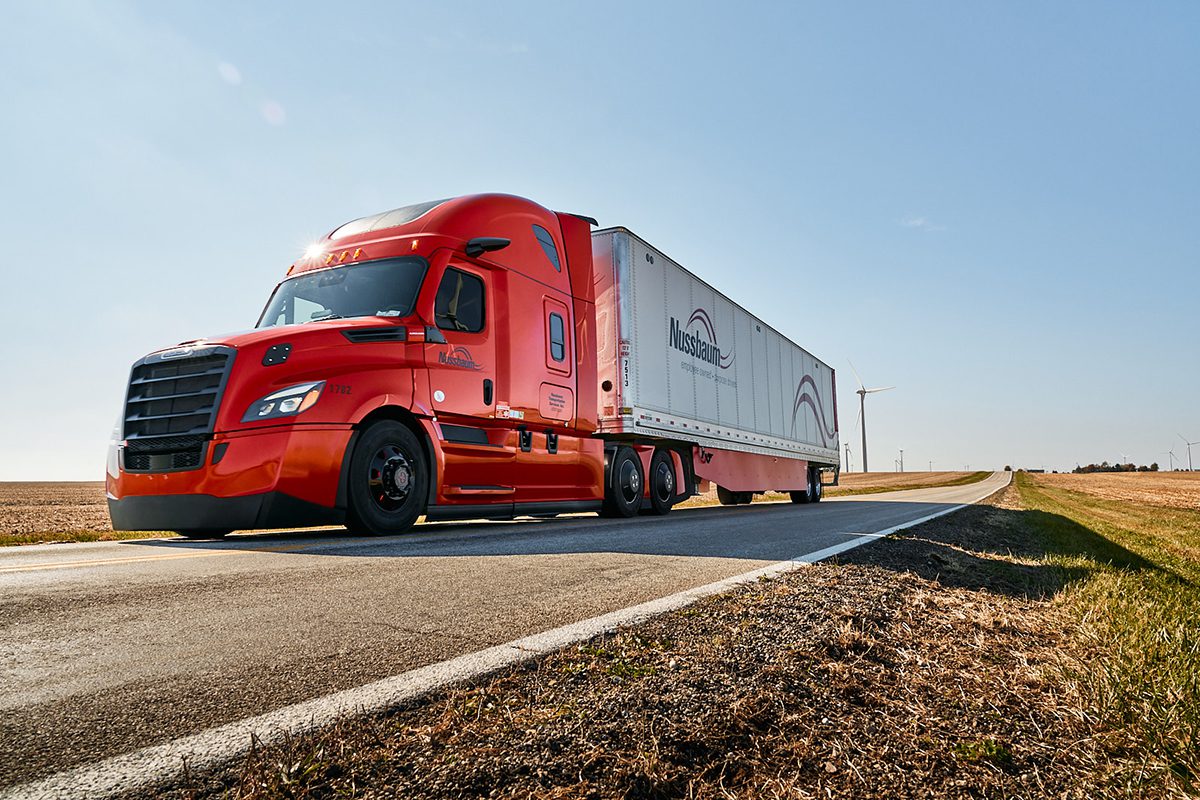
Fuel economy improves when you remove the same sources of waste, and the most reliable gains come from five areas that a fleet can control and measure.
- Driver training with feedback. Targeted driver training that teaches gradual throttle inputs, coasting to stops, and cruise-control discipline pays off fast. Build coaching around real trips, then track whether the improvement holds.
- Maintenance. It should be treated as a fuel-saving tool. Structured inspection and service schedule reduces avoidable fuel loss and limit unplanned repairs. It is necessary because low tire pressure, poor alignment, brake drag, and clogged filters increase fuel use without triggering a warning light.
- Route optimization based on how roads behave. Congestion, stop density, and detours erase a paper win, but routing, telematics, and data tracking tools can improve efficiency by reducing miles, stops, and time in traffic.
- Targeted upgrades that minimize baseline fuel use. Aerodynamic fairings, side skirts, and trailer tail devices are consistent levers for highway-heavy work. Even small tweaks like closing cab windows at speed, removing roof racks when not in use, and shedding unnecessary cargo weight add up to gains across a fleet. Choose upgrades that match your duty cycle, then verify the change with before-and-after numbers.
- Fuel monitoring systems with exception control. A fleet cannot manage what it cannot see. Telematics platforms and fleet fuel cards give managers a live dashboard of gallons pumped, dollars spent, and miles driven per vehicle, flagging anomalies like fuel theft, card misuse, or inefficient refueling stops.
These management strategies work best as one system: training protects the gains, maintenance prevents silent losses, routing reduces wasted time, upgrades lower the baseline, and monitoring keeps the whole program stable.
Conclusion
A fleet does not improve fuel economy once and keeps it forever, because logistics conditions change, drivers rotate, routes shift, and small losses return if nobody watches them. The long-term win (reduced operating and transportation costs, significant savings, protected vehicle performance, and sustainability) comes from making fuel-saving practices part of everyday management: consistent maintenance, disciplined driving standards, route optimization, and data tracking tools that catch waste.
Sign up for Exclusive Trucking Tips
Related Article
June 5, 2025
3459 Views
6 min read

Test