


March 9, 2026

65 Views

5 min read
Share


The Role of Trucking in Disaster Response and Recovery
Page Contents
Want to talk with us?
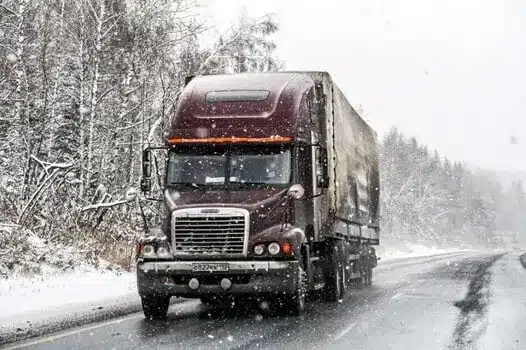
Trucking plays a significant role in emergency relief. When disaster hits, a fast response is paramount. Trucking companies are able to act promptly to deliver critical goods (medications, food, water, etc.) to places where the affected need those essential supplies to recover and restore the surrounding area. Even if they have to overcome infrastructure challenges, they are still highly effective due to adaptable transport management.
FEMA and Emergency Trucking
The Federal Emergency Management Agency (FEMA) contributes to disaster risk reduction and damage minimization. Being a part of the federal system, it coordinates the operational and logistical response by providing technical, financial, individual, and public assistance, supporting first responders. The agency offers trucking programs, within which it is possible to help emergency officials and people who suffer from critical emergency situations. The list includes:
- STOS. This is the Standard Tender of Service program that involves authorized transportation service providers in addressing disaster relief transportation needs. To participate and get offerings from the agency, a carrier must register with the STOS Program and renew registration annually, have specific insurance coverage, and strictly adhere to federal regulations. There is a document specifying the terms for providing FEMA with freight forwarding services.
- TSP. The Transportation Service Provider program involves approved and contracted carriers in delivering emergency supplies during disasters. To participate, carriers must register, adhere to the STOS requirements, pass the onboarding process, and submit rates annually.
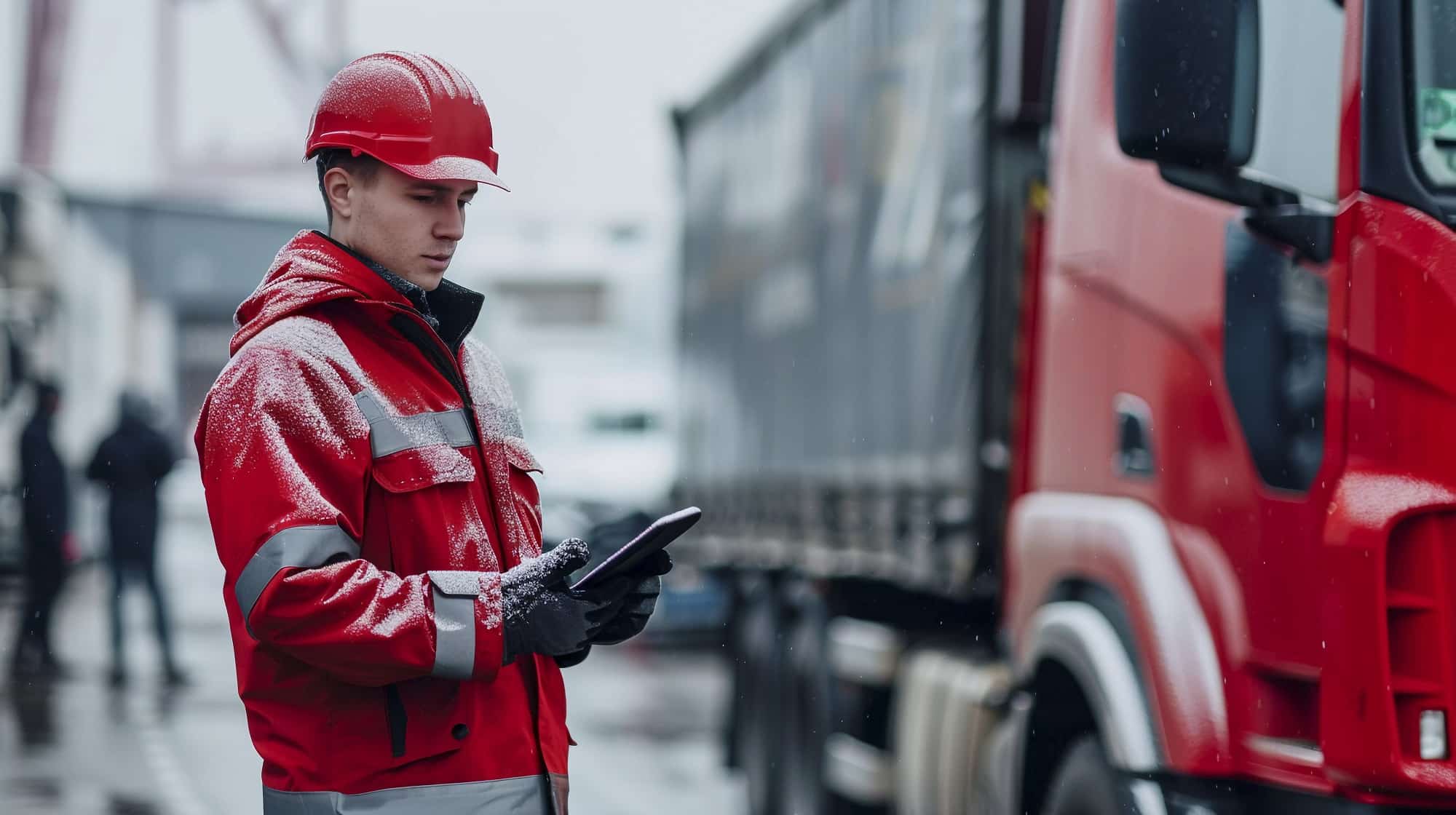
When a disaster happens, FEMA puts into action authorized trucking companies, which use various types of fleets to ensure that supplies reach those who need them badly in disaster-stricken areas. Reefer and dry vans transport food, water, medicines, etc. Flatbeds deliver rebuilding materials. Box trucks are used for local deliveries. Vehicles with off-road capabilities reach isolated zones. Typically, the following types of disaster-relief trucks are used:
- medical trucks delivering urgent healthcare services;
- food and water support vehicles with equipment for cooking meals, etc.;
- logistics and recovery trucks, like dump, grapple, and hook ones;
- specialized trucks, like fire-fighting tankers, all-terrain, and search-and-rescue vehicles;
- temporary shelter trailers that deliver portable housing units and goods for survivors;
- satellite communication trucks for providing alternative communication channels.
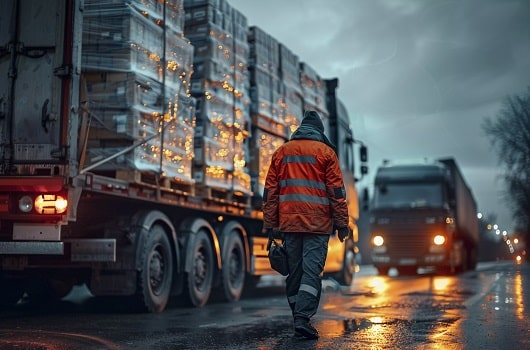
Trucking companies operate 24/7, being coordinated in real time by FEMA. They work as a team together with authorities, state emergency organizations, and responders. Trucking companies communicate with local governments to provide last-mile delivery and with the Red Cross to provide medical facilities with needed supplies. All rescue activities and routes are closely synchronized. Given multi-level connections and tasks, it is natural that trucking companies face lots of challenges.
Trucking Disasters and Lessons Learned
When analyzing statistics to understand those challenges, the logistics issues should be highlighted. It is very important to diversify transportation routes to have fallback options, to invest in technologies to adjust to weather change adaptation, to improve real-time coordination, and to enhance collaboration of all involved parties. There must be continuous improvement in risk management practices to ensure an uninterrupted supply chain. The most common issues logistics teams have to overcome are as follows:
- heavy road conditions and damaged infrastructure;
- fuel shortage caused by damaged filling stations;
- qualified driver deficiencies;
- security issues;
- delays due to lack of timely information;
- truck maintenance concerns, etc.
To address the above, it is required to integrate new technologies, including AI, route optimization software, electronic logging devices, and transportation management systems. These tools optimize routes, prevent maintenance issues, and improve tracking in real time and communication.
Also, it is crucial to improve future disaster preparedness. The best trucking strategies include flexibility, planning, and investment. It is vital to strictly follow maintenance schedules, get emergency permits, pre-arrange fuel supplies, and develop a detailed plan that defines functions, responsibilities, alternative communication channels, and routing, etc.
Shedule a call

YOUR TRUSTED PARTNER
FOR COMPREHENSIVE FLEET
MANAGEMENT SOLUTIONS
FOR COMPREHENSIVE FLEET
MANAGEMENT SOLUTIONS
Get started
FEMA Transportation Assistance and Freight
FEMA has logistics, distribution, and mobilization centers, storage sites, staging areas, and points of distribution across the United States, which makes it easy to reduce response time and provide affected districts with needed supplies. Also, FEMA offers several transportation assistance programs:
- IA is available for individual survivors who get financial assistance, funds for restoration of vehicles, temporary or permanent housing, free legal consultation, etc.
- PA is available for various communities that get funds to restore and recover from disasters declared by the president.
- TSGP (Transit Security Grant Program) is available for public transportation systems that get funding to support critical infrastructure.
To participate in disaster relief operations, trucking companies should register for the program following the FEMA instructions. They can also contribute in other ways by offering driver services, fleets, warehouse space, or arranging training.
Conclusion
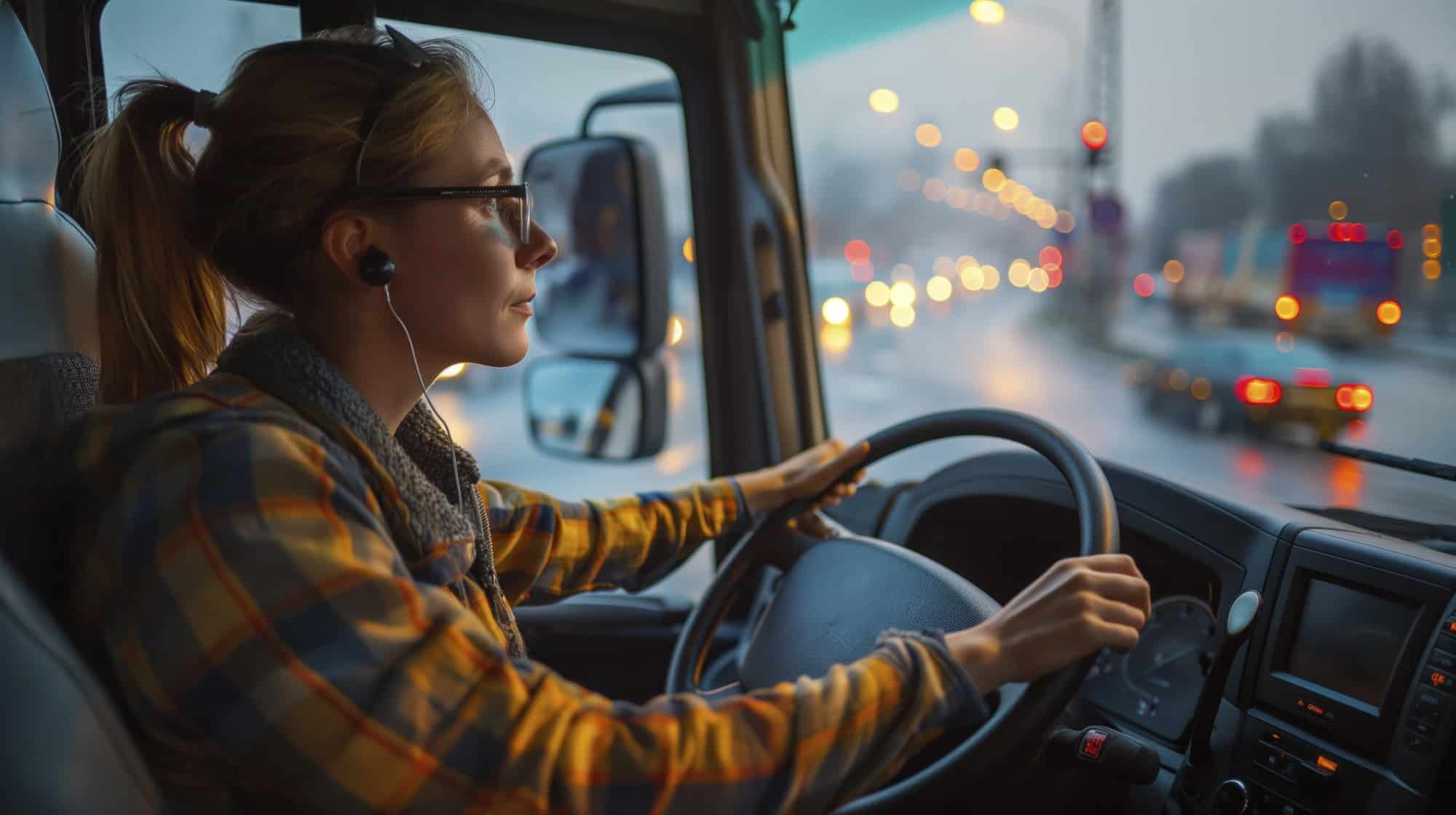
The trucking function in disaster response can hardly be overestimated. Trucking companies ensure non-stop, seamless transportation of goods to damaged areas by quickly modifying routes, adjusting to complicated conditions, and closing the gap in the supply chain. Trucks with off-road capabilities are flexible, can reach remote places, navigate through damaged territories, and go on a detour to bypass blocked roads. Refrigerated vehicles deliver temperature-controlled freight, including that required in medical emergencies.
To improve the efficiency of disaster trucking, it is vital to integrate innovative technologies, involving AI-based tools and advanced software for transportation management and enhanced coordination.
Sign up for Exclusive Trucking Tips
Related Article
August 10, 2023
1460 Views
5 min read
Test